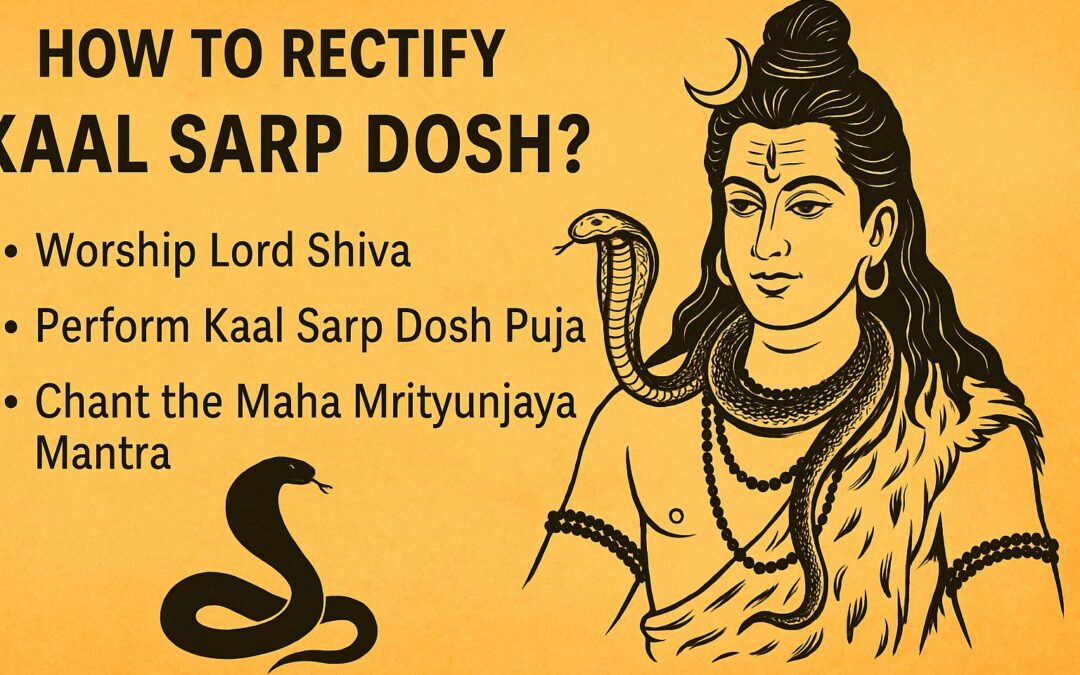
How to rectify Kaal Sarp Dosh is a significant astrological condition that holds great importance in Vedic astrology. It is believed to have profound effects on an individual’s life, causing various challenges and obstacles. Understanding Kaal Sarp Dosh, its implications, and ways to rectify it can help individuals mitigate its adverse effects and lead a more balanced life. This comprehensive guide delves into the depths of Kaal Sarp Dosh, exploring its symptoms, causes, diagnosis, treatment options, and preventive measures, along with expert insights and personal stories.
Definition of Kaal Sarp Dosh
How to rectify Kaal Sarp Dosh is an astrological condition where all the planets in an individual’s natal chart are positioned between the Rahu (North Node) and Ketu (South Node). This alignment is believed to create significant challenges and obstacles in various aspects of life.
Importance and Relevance in Vedic Astrology
Kaal Sarp Dosh is considered a crucial aspect in Vedic astrology due to its profound impact on an individual’s life. It is often associated with misfortunes, delays, and hardships, making it a topic of great concern for those affected.
Overview of the Guide
This guide aims to provide a thorough understanding of Kaal Sarp Dosh, covering its types, symptoms, causes, diagnosis, treatment options, and preventive measures. Additionally, it includes personal stories, expert insights, and a comprehensive conclusion to equip readers with the knowledge to address this astrological condition effectively.
Understanding Kaal Sarp Dosh
What is Kaal Sarp Dosh?
Kaal Sarp Dosh and how to rectify kaal sarp dosh occurs when all the planets in a natal chart are positioned between Rahu and Ketu. This alignment is believed to bring about various challenges, affecting an individual’s mental, physical, and emotional well-being.
Astrological Significance
In Vedic astrology, Rahu and Ketu are considered shadow planets with significant karmic influences. Their positioning relative to other planets can lead to the formation of Kaal Sarp Dosh, which is believed to disrupt the natural flow of life and create numerous obstacles.
Historical Context and Origins
The concept of Kaal Sarp Dosh has its roots in ancient Vedic astrology. Historical texts and scriptures have mentioned the effects of this dosh, emphasizing its potential to influence an individual’s destiny and life events.
Types of Kaal Sarp Dosh
Anant Kaal Sarp Dosh
Anant Kaal Sarp Dosh occurs when Rahu is in the first house and Ketu is in the seventh house. It is believed to cause issues related to health, relationships, and overall stability in life.
Kulik Kaal Sarp Dosh
Kulik Kaal Sarp Dosh is formed when Rahu is in the second house and Ketu is in the eighth house. This alignment is associated with financial difficulties, health problems, and family disputes.
Vasuki Kaal Sarp Dosh
Vasuki Kaal Sarp Dosh occurs when Rahu is in the third house and Ketu is in the ninth house. It is believed to cause challenges in professional life, communication issues, and obstacles in spiritual growth.
Shankhpal Kaal Sarp Dosh
Shankhpal Kaal Sarp Dosh is formed when Rahu is in the fourth house and Ketu is in the tenth house. This alignment is linked to domestic problems, career instability, and emotional disturbances.
Padam Kaal Sarp Dosh
Padam Kaal Sarp Dosh occurs when Rahu is in the fifth house and Ketu is in the eleventh house. It is associated with issues related to children, love life, and social relationships.
Mahapadam Kaal Sarp Dosh
Mahapadam Kaal Sarp Dosh is formed when Rahu is in the sixth house and Ketu is in the twelfth house. This alignment is believed to cause health problems, legal issues, and hidden enemies.
Takshak Kaal Sarp Dosh
Takshak Kaal Sarp Dosh occurs when Rahu is in the seventh house and Ketu is in the first house. It is associated with marital problems, partnership issues, and personal conflicts.
Karkotak Kaal Sarp Dosh
Karkotak Kaal Sarp Dosh is formed when Rahu is in the eighth house and Ketu is in the second house. This alignment is linked to financial losses, health issues, and family disputes.
Shankhachood Kaal Sarp Dosh
Shankhachood Kaal Sarp Dosh occurs when Rahu is in the ninth house and Ketu is in the third house. It is associated with challenges in higher education, long-distance travel, and spiritual growth.
Ghatak Kaal Sarp Dosh
Ghatak Kaal Sarp Dosh is formed when Rahu is in the tenth house and Ketu is in the fourth house. This alignment is believed to cause career obstacles, domestic problems, and emotional instability.
Vishdhar Kaal Sarp Dosh
Vishdhar Kaal Sarp Dosh occurs when Rahu is in the eleventh house and Ketu is in the fifth house. It is linked to social issues, challenges with children, and romantic problems.
Sheshnag Kaal Sarp Dosh
Sheshnag Kaal Sarp Dosh is formed when Rahu is in the twelfth house and Ketu is in the sixth house. This alignment is associated with health issues, legal problems, and hidden enemies.
Symptoms and Signs
Common Symptoms
Individuals affected by Kaal Sarp Dosh may experience a range of symptoms, including chronic health issues, financial difficulties, relationship problems, and emotional instability.
Psychological Effects
Psychologically, Kaal Sarp Dosh can lead to anxiety, depression, and a general sense of unease. Individuals may also experience recurring nightmares and a feeling of being trapped.
Physical Health Implications
Physically, Kaal Sarp Dosh can manifest as chronic illnesses, unexplained health problems, and frequent accidents or injuries.
Impact on Career and Relationships
Career-wise, individuals may face constant obstacles, job instability, and lack of recognition. In relationships, there may be frequent conflicts, misunderstandings, and a lack of harmony.
Causes and Risk Factors
Astrological Causes
The primary cause of Kaal Sarp Dosh is the positioning of all planets between Rahu and Ketu in an individual’s natal chart. This alignment creates an imbalance in the planetary influences. But first you need to know how to rectify kaal sarp dosh.
Natal Chart Influences
Specific combinations and placements of planets in the natal chart can increase the likelihood of Kaal Sarp Dosh. Understanding these influences is crucial for accurate diagnosis and treatment.
Lifestyle and Karmic Factors
Lifestyle choices and karmic actions from past lives can also contribute to the formation of Kaal Sarp Dosh. Adverse actions and negative karma are believed to manifest as this astrological condition.
Diagnosis and Tests
Astrological Chart Analysis
Diagnosing Kaal Sarp Dosh involves a thorough analysis of the individual’s natal chart by an experienced astrologer. The positioning of planets, especially Rahu and Ketu, is examined in detail.
Identifying Planetary Positions
Accurate identification of planetary positions at the time of birth is essential for diagnosing Kaal Sarp Dosh. This requires precise astrological calculations and expertise.
Consulting an Expert Astrologer
Seeking the guidance of an expert astrologer is recommended for accurate diagnosis and effective treatment of Kaal Sarp Dosh. An astrologer can provide personalized insights and remedies based on the individual’s chart.
Treatment Options
Traditional Vedic Remedies
Traditional Vedic remedies for Kaal Sarp Dosh include performing specific rituals and ceremonies to appease the planets and mitigate their adverse effects.
Mantras and Pujas
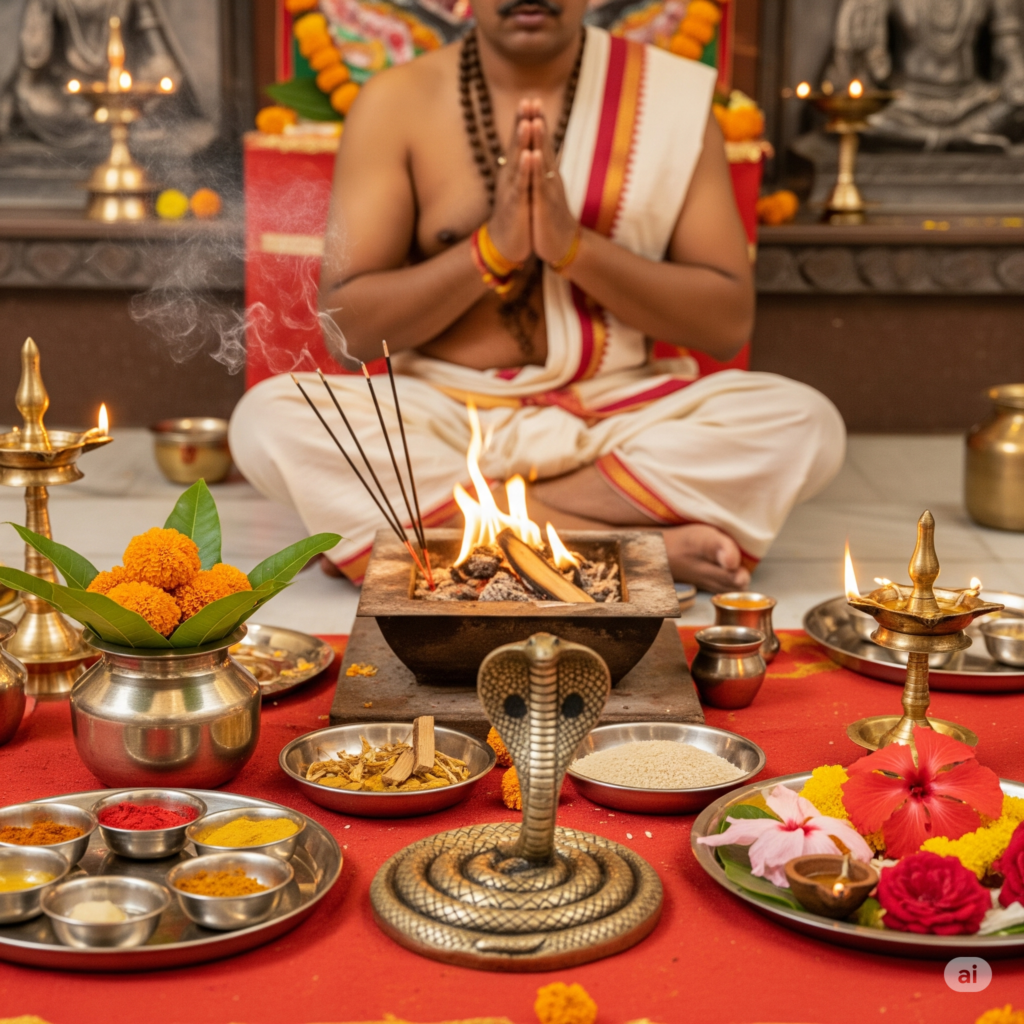
Chanting specific mantras and conducting pujas (prayer rituals) dedicated to Rahu and Ketu are common practices to rectify Kaal Sarp Dosh. These practices are believed to reduce the dosh’s negative impact.
Yantras and Gemstones
Wearing specific yantras (sacred diagrams) and gemstones associated with Rahu and Ketu can help balance their influences and alleviate the symptoms of Kaal Sarp Dosh.
Fasting and Charity
Observing fasts on particular days and engaging in charitable acts are traditional remedies believed to reduce the adverse effects of Kaal Sarp Dosh.
Rituals and Ceremonies
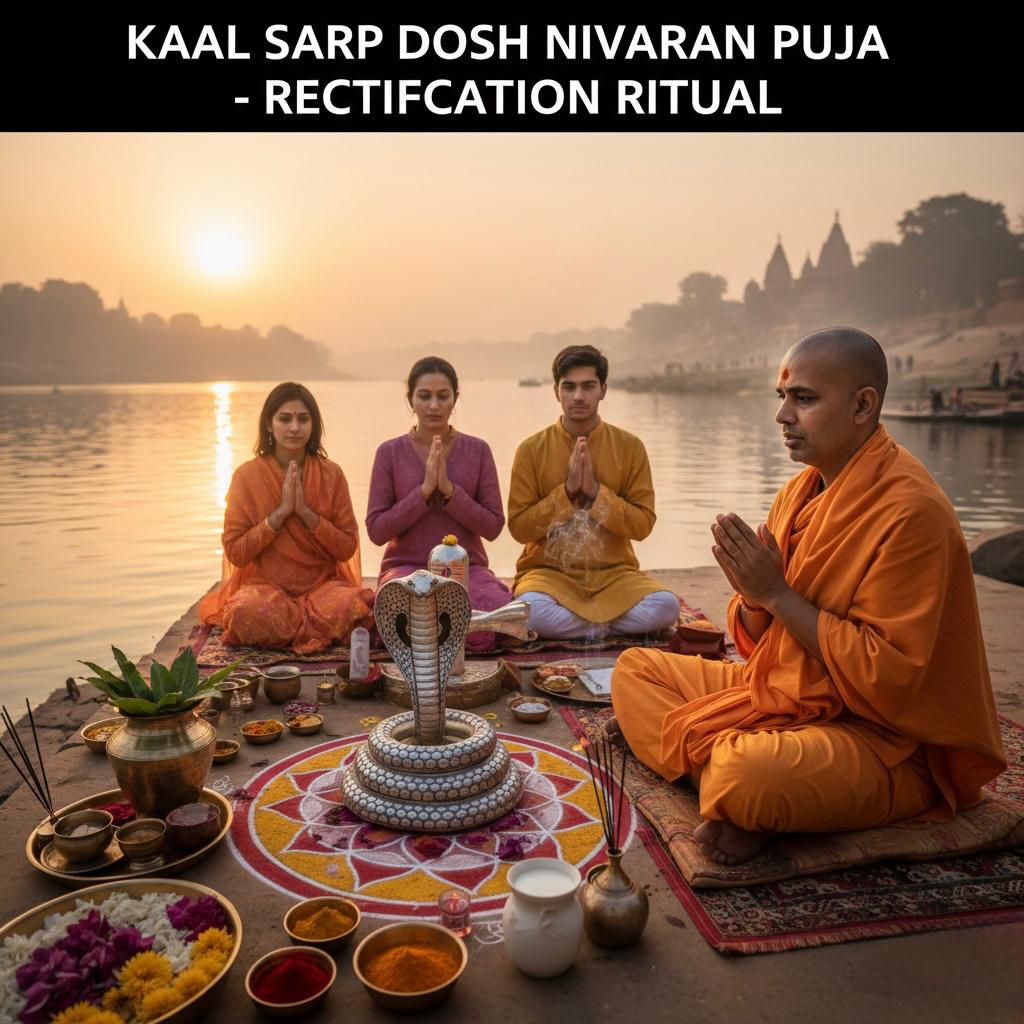
Performing specific rituals and ceremonies, such as the Kaal Sarp Dosh Nivaran Puja, under the guidance of an experienced priest can help mitigate the dosh’s impact.
Preventive Measures
Lifestyle Adjustments
Making specific lifestyle adjustments, such as adopting a disciplined routine and avoiding negative actions, can help prevent the formation of Kaal Sarp Dosh.
Regular Spiritual Practices
Engaging in regular spiritual practices, such as meditation, yoga, and prayer, can help maintain a positive karmic balance and prevent the occurrence of Kaal Sarp Dosh.
Balancing Planetary Influences
Practices like astrology-based yoga and specific dietary adjustments can help balance the planetary influences and reduce the risk of Kaal Sarp Dosh.
Early Detection and Intervention
Early detection of potential planetary alignments leading to Kaal Sarp Dosh and timely intervention through appropriate remedies can prevent its formation and mitigate its effects.
Conclusion
Summarizing the key points discussed in the guide, including the definition, symptoms, causes, diagnosis, treatment options, preventive measures and how to rectify Kaal Sarp Dosh.
Offering final thoughts on the importance of understanding and addressing Kaal Sarp Dosh to lead a balanced and harmonious life.
Encouraging readers to seek further education and guidance from expert astrologers to effectively manage and rectify Kaal Sarp Dosh.
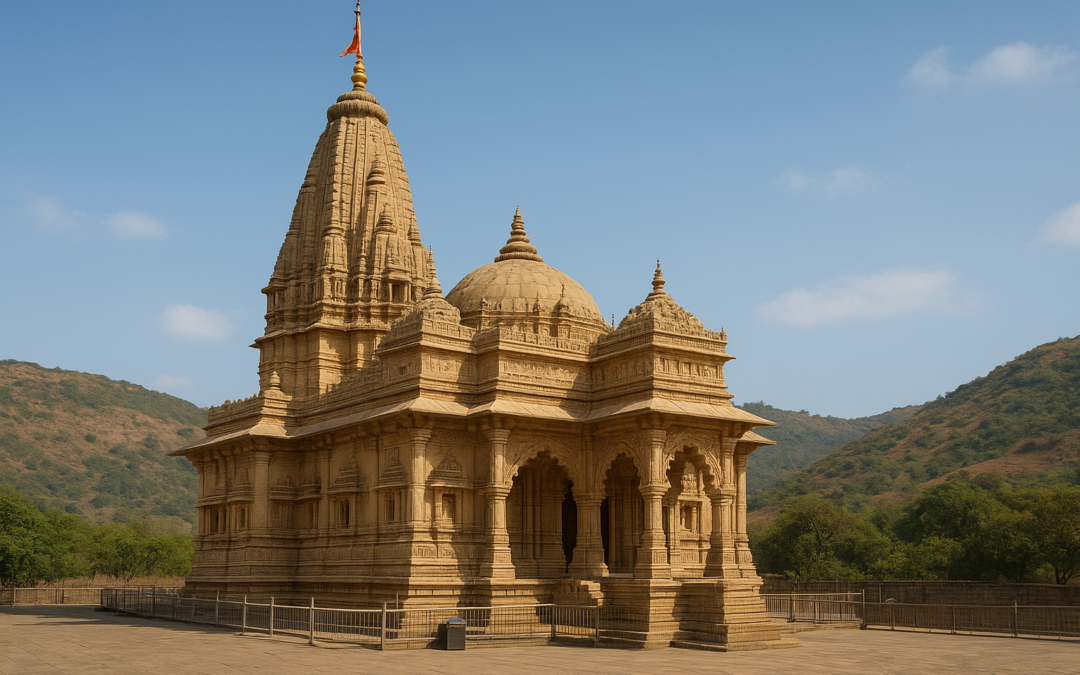
Vani Saptashrungi Devi Temple, nestled in the serene hills of Maharashtra, India, is a revered shrine dedicated to Goddess Saptashrungi. Known for its spiritual significance and stunning architecture, this temple attracts thousands of devotees and tourists each year. This article delves into the temple’s rich history, cultural importance, worship practices, and offers practical travel tips for those planning a visit.
Geographical Information
Location and How to Get There
Vani Saptashrungi Devi Temple is located near Nashik in the state of Maharashtra. It sits atop the Saptashrungi Hill, which is part of the Sahyadri mountain range. The temple is approximately 60 kilometers from Nashik city, and can be reached by road. The nearest airport is in Nashik, and the closest railway station is Nashik Road.
Climate and Best Times to Visit
The climate in this region is typically moderate, with warm summers, pleasant winters, and a monsoon season. The best time to visit the temple is from October to March when the weather is cooler and more comfortable for travel and trekking.
Surrounding Landscape and Environment
The temple is surrounded by lush greenery and scenic landscapes. The hill offers panoramic views of the surrounding valleys and forests, making the journey to the temple a visually delightful experience.
Cultural and Historical Significance
Mythological Background
According to Hindu mythology, the temple is one of the 51 Shakti Peethas, where parts of Goddess Sati’s body fell after the Daksha Yajna episode. It is believed that her right arm fell here, and the temple is thus considered a powerful center of Shakti worship.
Historical Milestones
The Vani Saptashrungi Devi Temple has a long history that dates back several centuries. It has been mentioned in ancient texts and has been a significant pilgrimage site for devotees of the Shakti cult.
Role in Local and Regional Culture
The temple plays a vital role in the local culture and traditions. It is not only a religious site but also a cultural hub where numerous festivals and rituals are celebrated with great fervor.
Temple Architecture
Architectural Style and Features
The architecture of Vani Saptashrungi Devi Temple is a blend of traditional Indian styles with unique local influences. The temple complex includes the main sanctum, various smaller shrines, and large courtyards for devotees to gather.
Major Structures Within the Temple Complex
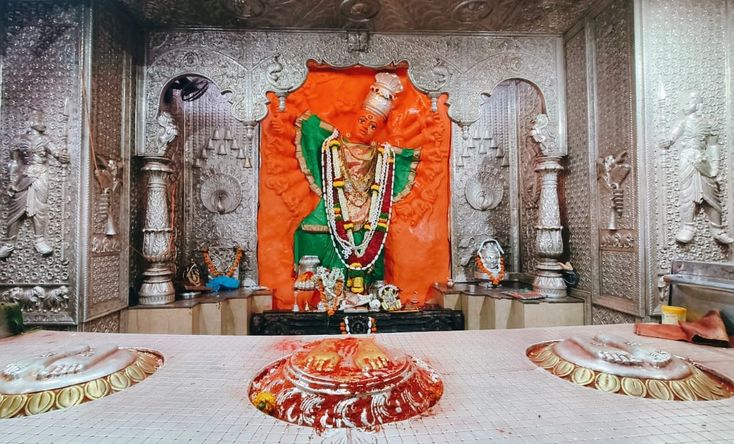
The main sanctum houses the idol of Goddess Saptashrungi, depicted with 18 arms holding different weapons. The complex also includes a meditation hall, a Yajna (sacrificial) area, and various other shrines dedicated to different deities.
Artistic Elements and Craftsmanship
The temple is adorned with intricate carvings, murals, and sculptures that depict scenes from Hindu mythology. The craftsmanship reflects the rich artistic heritage of the region and enhances the spiritual ambiance of the site.
Worship and Rituals
Daily Worship Practices
Daily worship at the temple includes several rituals such as Aarti, Abhishekam, and offerings of flowers, fruits, and sweets to the deity. Devotees often engage in chanting and singing hymns dedicated to Goddess Saptashrungi.
Special Rituals and Festivals
Several festivals are celebrated with great enthusiasm at the temple, including Navratri, Chaitra Purnima, and Ashwin Purnima. These events attract large crowds and feature elaborate rituals, processions, and cultural performances.
Pilgrimage Significance
The temple is a significant pilgrimage site, especially for followers of the Shakti cult. It is believed that a visit to the temple and participation in its rituals can bring blessings and fulfill the wishes of devotees.
Legends and Stories
Popular Legends Associated with the Temple
One of the most famous legends is about the demon Mahishasura, who was defeated by Goddess Saptashrungi. This victory is celebrated as a symbol of good triumphing over evil, and it forms the basis of many rituals and stories associated with the temple.
Stories of Miracles and Divine Interventions
Many devotees have shared stories of experiencing miracles and divine interventions after visiting the temple. These stories contribute to the temple’s mystical aura and reinforce its significance as a powerful spiritual site.
Visitor Experience
What to Expect During a Visit
Visitors can expect a serene and spiritually uplifting experience. The temple’s location in the hills provides a peaceful environment, and the rituals offer a glimpse into the rich traditions of Hindu worship.
Temple Timings and Schedule
The temple is open from early morning until late evening. Specific timings for different rituals and Aartis are displayed at the entrance, and it is advisable to check these timings to plan your visit accordingly.
Facilities Available for Devotees
The temple complex includes facilities such as rest areas, clean drinking water, and prasad distribution. There are also several shops selling religious items, souvenirs, and snacks.
Accommodation and Dining
Types of Accommodations Available: There are various accommodation options available near the temple, ranging from budget lodges to more comfortable hotels. Some devotees prefer to stay in Dharamshala (pilgrim rest houses) which offer basic amenities at a minimal cost.
Recommended Hotels and Guesthouses: For those seeking more comfort, hotels like the Ginger Nashik and the Express Inn offer modern amenities and are conveniently located for visits to the temple and other nearby attractions.
Local Cuisine and Dining Options: The region is known for its delicious Maharashtrian cuisine. Visitors should try local specialities such as Misal Pav, Puran Poli, and Vada Pav. There are several eateries and restaurants near the temple that serve both vegetarian and non-vegetarian dishes.
Travel Tips
Best Travel Routes and Modes of Transport: The most convenient way to reach the temple is by road from Nashik. Buses and taxis are readily available. For those travelling from further afield, Nashik is well-connected by train and has regular flights from major Indian cities.
Essential Packing Tips: Visitors should pack comfortable walking shoes, as the temple requires a short trek uphill. It is also advisable to carry water bottles, sun protection, and light snacks.
Conclusion:
The Vani Saptashrungi Devi Temple stands as a beacon of spirituality, history, and cultural heritage atop the picturesque hills of Maharashtra. Its rich mythology, stunning architecture, and fervent worship practices make it a must-visit destination for devotees and travellers alike. As we conclude this comprehensive guide, we invite you to embark on a journey of discovery and reverence for this sacred site.
FAQs for Vani Saptashrungi Devi Temple:
What is the significance of the Vani Saptashrungi Devi Temple?
The Vani Saptashrungi Devi Temple is one of the 51 Shakti Peethas in India, making it a significant pilgrimage site for Hindus. It is believed that the right arm of Sati fell here, imbuing the temple with divine power.
Where is the Vani Saptashrungi Devi Temple located?
The temple is located in the Nashik district of Maharashtra, India. It is situated on a hill in the village of Vani, about 60 kilometres from Nashik City.
How can I reach the temple?
You can reach the temple by road from Nashik. There are regular bus services and private taxis available. The nearest railway station is Nashik Road Railway Station, and the nearest airport is Nashik Airport.
What are the temple timings?
The temple is open daily from 5:00 AM to 8:00 PM. However, it is recommended to check for any changes in timings during festivals or special occasions.
Is there an entry fee for visiting the temple?
No, there is no entry fee for visiting the Vani Saptashrungi Devi Temple.
What are the main festivals celebrated at the temple?
The main festivals celebrated at the temple include Navratri, Chaitra, and Ashwin Navratri, which attract thousands of devotees. During these festivals, the temple is beautifully decorated, and special rituals and cultural programs are held.
Are there any accommodations available near the temple?
Yes, there are several accommodations available near the temple, ranging from budget lodges to more comfortable hotels. Additionally, the temple trust provides lodging facilities for pilgrims.
What are the facilities available for devotees at the temple?
The temple provides various facilities, including free meals (Prasad), drinking water, restrooms, and cloakrooms. There are also shops selling religious items and souvenirs.
Is photography allowed inside the temple premises?
Photography is generally restricted within the inner sanctum of the temple. However, you can take pictures in the outer premises. It is advisable to respect the temple guidelines regarding photography.
Are there any specific dress codes to follow while visiting the temple?
While there is no strict dress code, it is recommended to dress modestly and conservatively as a mark of respect for the religious site. Traditional Indian attire is preferred.
Can we perform any rituals or poojas at the temple?
Yes, devotees can perform various rituals and poojas at the temple. You can book these services in advance through the temple office.
Is there any special provision for senior citizens or disabled devotees?
The temple premises are equipped with ramps and handrails to assist senior citizens and disabled devotees. There are also volunteers available to help those who need assistance.
What are the COVID-19 guidelines for visiting the temple?
Due to the ongoing pandemic, the temple authorities have implemented safety measures such as mandatory face masks, social distancing, and limited entry. It is advisable to check the latest guidelines before planning your visit.
Who can I contact for more information about the temple?
For more information, you can contact the temple administration office at their official phone number or visit the official website of the Vani Saptashrungi Devi Temple.
Are there any nearby attractions to visit along with the temple?
Yes, there are several attractions near the temple, including the Anjaneri Hills, Trimbakeshwar Temple, and the Kalsubai Peak. These places are popular among pilgrims and tourists alike.
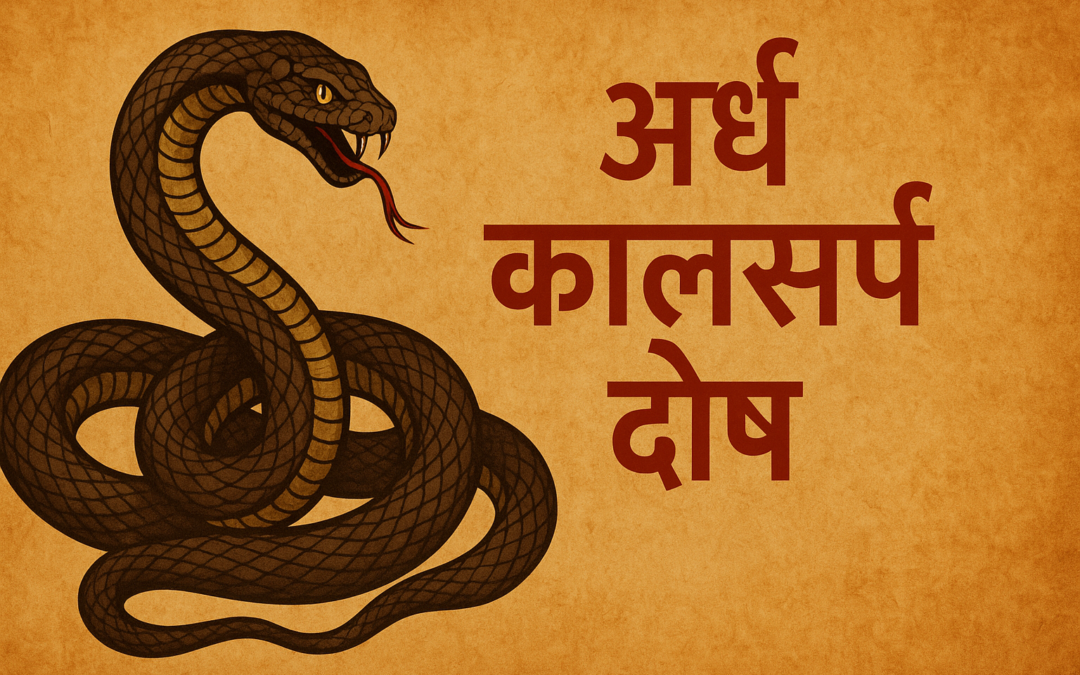
Discover everything about Ardh Kaal Sarp Dosh – its meaning, symptoms, causes, remedies, and effects. Learn how to identify and alleviate this astrological phenomenon.
Definition of Ardh Kaal Sarp Dosh
Ardh Kaal Sarp Dosh is an astrological condition described in Vedic astrology, where certain planetary alignments are believed to create a negative influence on an individual’s life. This dosh is considered a partial version of the more severe Kaal Sarp Dosh, which occurs when all planets are positioned between Rahu and Ketu in a birth chart.
Importance in Astrology
In Vedic astrology, the presence of Ardh Kaal Sarp Dosh in an individual’s horoscope is often associated with various struggles and obstacles. It is thought to impact personal and professional life, causing delays and disruptions.
Relevance and Implications in Daily Life
The influence of Ardh Kaal Sarp Dosh can be seen in various aspects of life, from personal relationships to career progression. Understanding and addressing this dosh can help individuals mitigate its effects and lead a more harmonious life.
Understanding Ardh Kaal Sarp Dosh
What is Ardh Kaal Sarp Dosh?
Ardh Kaal Sarp Dosh occurs when the planetary alignment only partially reflects the conditions of Kaal Sarp Dosh. In this scenario, some planets are trapped between Rahu and Ketu, while others are not, creating a less intense but still significant influence on the individual’s life.
Difference between Kaal Sarp Dosh and Ardh Kaal Sarp Dosh
The main difference lies in the extent of planetary entrapment. In Kaal Sarp Dosh, all planets are confined between Rahu and Ketu, creating a more powerful dosh. In contrast, Ardh Kaal Sarp Dosh involves only some planets being within this alignment, leading to a lesser but notable impact.
Historical Background and Origins
The concept of Kaal Sarp Dosh and its variations, including Ardh Kaal Sarp Dosh, originates from ancient Vedic astrology. Texts and scriptures from centuries ago discuss the implications of these planetary alignments and the rituals required to alleviate their effects.
Cultural Significance in Various Regions
Different cultures within India, and sometimes even in neighbouring regions, recognize and address Kaal Sarp Dosh in various ways. The significance and rituals associated with this dosh may vary, reflecting local traditions and beliefs.
Types and Classification
Anant Kaal Sarp Dosh is Believed to cause prolonged struggles in personal and professional life.
Kulik Kaal Sarp Dosh is associated with health issues and financial instability.
Vasuki Kaal Sarp Dosh Linked to challenges in relationships and communication.
Shankhpal Kaal Sarp Dosh Often brings issues related to children and education.
Padma Kaal Sarp Dosh Can cause emotional turbulence and mental stress.
Mahapadma Kaal Sarp Dosh is Known for its impact on career and professional growth.
Takshak Kaal Sarp Dosh Causes fear and anxiety-related issues.
Karkotak Kaal Sarp Dosh is Associated with property disputes and legal problems.
Shankhachur Kaal Sarp Dosh is Linked to marital discord and relationship issues.
Ghatak Kaal Sarp Dosh Affects longevity and general health.
Vishdhar Kaal Sarp Dosh Leads to problems in finances and wealth management.
Sheshnag Kaal Sarp Dosh Causes issues related to stability and security in life.
Specifics of Ardh Kaal Sarp Dosh
Ardh Kaal Sarp Dosh is a partial form of these doshas, where the planetary influence is significant but not as overwhelming. Understanding the specifics of this dosh involves examining the exact positions of Rahu, Ketu, and other planets in the birth chart.
Symptoms and Signs
Common Signs of Ardh Kaal Sarp Dosh in Individuals
Individuals affected by Ardh Kaal Sarp Dosh often exhibit certain signs:
Frequent obstacles in achieving goals
Repeated failures despite efforts
Mental stress and anxiety
Relationship issues and misunderstandings
Physical and Mental Symptoms
The presence of Ardh Kaal Sarp Dosh can manifest in physical and mental symptoms such as:
Chronic health issues
Depression and anxiety
Insomnia and other sleep disorders
Unexplained fears and phobias
Behavioral Changes and Their Impact
Behavioural changes may include increased irritability, lack of focus, and a general sense of dissatisfaction. These changes can significantly impact personal and professional relationships, leading to a cycle of negativity.
Causes and Risk Factors
Astrological Causes
The primary cause of Ardh Kaal Sarp Dosh is the positioning of planets between Rahu and Ketu in the birth chart. This alignment creates a negative influence that can affect various aspects of life.
Influence of Planetary Positions
The specific degree and house placements of Rahu and Ketu, along with other planets, determine the intensity and nature of the dosh. Astrologers analyze these positions to understand the potential impact on the individual.
Risk Factors Contributing to Ardh Kaal Sarp Dosh
Certain factors increase the risk of Ardh Kaal Sarp Dosh, including:
Birth during specific astrological periods
Presence of other negative planetary alignments
Lack of beneficial planetary influences
Impact of Other Astrological Aspects
Other astrological aspects, such as the strength of the Moon and the Sun, can either mitigate or exacerbate the effects of Ardh Kaal Sarp Dosh. A comprehensive analysis of the birth chart is essential for an accurate assessment.
Diagnosis and Tests
How to Diagnose Ardh Kaal Sarp Dosh
Diagnosing Ardh Kaal Sarp Dosh involves a detailed analysis of the birth chart by a knowledgeable astrologer. The positions of Rahu, Ketu, and other planets are carefully examined.
Role of Birth Charts and Horoscopes
Birth charts (Janam Kundali) play a crucial role in diagnosing this dosh. The chart provides a snapshot of the planetary positions at the time of birth, which is essential for identifying the presence of Ardh Kaal Sarp Dosh.
Tools and Software Used in Diagnosis
Modern astrology utilizes various tools and software to create accurate birth
charts and diagnose doshas. These tools help astrologers quickly analyze planetary positions and their potential effects.
Consulting an Astrologer
Consulting a reputable astrologer is vital for diagnosing and addressing Ardh Kaal Sarp Dosh. An experienced astrologer can provide insights and recommend appropriate remedies based on the individual’s specific chart.
Treatment Options
Astrological Remedies
Astrological remedies for Ardh Kaal Sarp Dosh typically include:
Performing specific rituals and pujas
Wearing gemstones to balance planetary energies
Reciting mantras dedicated to deities associated with Rahu and Ketu
Rituals and Pujas
Rituals and pujas are often performed to appease the planets and reduce the negative impact of the dosh. These ceremonies may involve offerings, prayers, and specific rites conducted by priests.
Use of Gemstones and Their Significance
Gemstones such as Gomed (Hessonite) for Rahu and Cat’s Eye for Ketu are recommended to mitigate the effects of Ardh Kaal Sarp Dosh. Wearing these stones helps balance the planetary influences and brings positive energy.
Mantras and Chants for Alleviation
Reciting specific mantras, such as the Rahu mantra and Ketu mantra, is believed to reduce the negative effects of the dosh. Regular chanting can help in harmonizing the planetary energies.
Preventive Measures
Tips to Prevent the Effects of Ardh Kaal Sarp Dosh: Preventive measures include maintaining a disciplined lifestyle, following spiritual practices, and staying positive. Regular meditation and prayer can help ward off negative influences.
Daily Practices and Routines: Incorporating daily practices such as yoga, meditation, and mindfulness can help mitigate the effects of Ardh Kaal Sarp Dosh. These practices enhance mental clarity and emotional stability.
Importance of Spiritual Practices: Spiritual practices, including regular visits to temples and participating in religious ceremonies, play a significant role in preventing the adverse effects of this dosh. These practices foster a sense of peace and balance.
Role of Astrology in Prevention
Astrology can guide individuals in making informed decisions and taking preventive measures. Regular consultation with an astrologer can help anticipate and mitigate potential challenges.
Conclusion:
In conclusion, Ardh Kaal Sarp Dosh is a significant astrological condition that can impact various aspects of an individual’s life, including personal relationships, career progression, and mental health. By understanding its origins, symptoms, and the astrological configurations that cause it, individuals can better navigate the challenges it presents. Recognizing the signs of Ardh Kaal Sarp Dosh early on is crucial for timely intervention. Through a detailed analysis of birth charts, astrologers can diagnose the presence of this dosh and recommend appropriate remedies.
### FAQs about Ardh Kaal Sarp Dosh
**1. What is Ardh Kaal Sarp Dosh?**
Ardh Kaal Sarp Dosh is a partial astrological condition that occurs when some planets in a birth chart are positioned between Rahu and Ketu, creating negative influences on various aspects of an individual’s life. It is less intense than the full Kaal Sarp Dosh but still significant.
**2. How is Ardh Kaal Sarp Dosh different from Kaal Sarp Dosh?**
The primary difference lies in the extent of planetary entrapment. In Kaal Sarp Dosh, all planets are confined between Rahu and Ketu, creating a more powerful dosh. In contrast, Ardh Kaal Sarp Dosh involves only some planets being within this alignment, resulting in a lesser but notable impact.
**3. What are the common symptoms of Ardh Kaal Sarp Dosh?**
Common symptoms include frequent obstacles in achieving goals, repeated failures despite efforts, mental stress, anxiety, chronic health issues, and relationship problems. Behavioral changes such as irritability and lack of focus are also observed.
**4. What causes Ardh Kaal Sarp Dosh?**
Ardh Kaal Sarp Dosh is caused by the specific alignment of planets between Rahu and Ketu in an individual’s birth chart. Astrological factors and the presence of other negative planetary influences contribute to the formation of this dosh.
**5. How can I know if I have Ardh Kaal Sarp Dosh?**
To determine the presence of Ardh Kaal Sarp Dosh, a detailed analysis of your birth chart by an experienced astrologer is required. The astrologer will examine the positions of Rahu, Ketu, and other planets to diagnose this condition.
**6. What are the remedies for Ardh Kaal Sarp Dosh?**
Remedies include performing specific rituals and pujas, wearing gemstones such as Gomed (Hessonite) and Cat’s Eye, reciting mantras dedicated to Rahu and Ketu, and maintaining a disciplined spiritual practice.
**7. Can Ardh Kaal Sarp Dosh be completely eliminated?**
While the dosh cannot be completely eliminated, its effects can be significantly mitigated through consistent and appropriate astrological remedies, spiritual practices, and lifestyle adjustments as recommended by a knowledgeable astrologer.
**8. What daily practices can help in managing Ardh Kaal Sarp Dosh?**
Daily practices such as yoga, meditation, mindfulness, regular prayer, and participating in religious ceremonies can help manage the effects of Ardh Kaal Sarp Dosh by fostering mental clarity and emotional stability.
**9. How important is consulting an astrologer for Ardh Kaal Sarp Dosh?**
Consulting an experienced astrologer is crucial for accurately diagnosing Ardh Kaal Sarp Dosh and receiving personalized advice on effective remedies. An astrologer can provide insights based on your specific birth chart and guide you in mitigating the dosh’s impact.
**10. Are there any preventive measures for Ardh Kaal Sarp Dosh?**
Preventive measures include leading a disciplined life, following spiritual practices, staying positive, and regularly consulting an astrologer for guidance. These steps can help prevent the adverse effects of Ardh Kaal Sarp Dosh.
**11. Can lifestyle changes help in alleviating the effects of Ardh Kaal Sarp Dosh?**
Yes, lifestyle changes such as maintaining a healthy routine, reducing stress, engaging in spiritual practices, and following astrological advice can help alleviate the effects of Ardh Kaal Sarp Dosh and promote overall well-being.
**12. Are personal stories of people with Ardh Kaal Sarp Dosh helpful?**
Personal stories provide practical insights into how individuals have identified and managed Ardh Kaal Sarp Dosh. They can be inspiring and informative, offering real-life examples of the effectiveness of various remedies and practices.
Discover everything about Ardh Kaal Sarp Dosh – its meaning, symptoms, causes, remedies, and effects. Learn how to identify and alleviate this astrological phenomenon.
Definition of Ardh Kaal Sarp Dosh
Ardh Kaal Sarp Dosh is an astrological condition described in Vedic astrology, where certain planetary alignments are believed to create a negative influence on an individual’s life. This dosh is considered a partial version of the more severe Kaal Sarp Dosh, which occurs when all planets are positioned between Rahu and Ketu in a birth chart.
Importance in Astrology
In Vedic astrology, the presence of Ardh Kaal Sarp Dosh in an individual’s horoscope is often associated with various struggles and obstacles. It is thought to impact personal and professional life, causing delays and disruptions.
Relevance and Implications in Daily Life
The influence of Ardh Kaal Sarp Dosh can be seen in various aspects of life, from personal relationships to career progression. Understanding and addressing this dosh can help individuals mitigate its effects and lead a more harmonious life.
What is Ardh Kaal Sarp Dosh?
Ardh Kaal Sarp Dosh occurs when the planetary alignment only partially reflects the conditions of Kaal Sarp Dosh. In this scenario, some planets are trapped between Rahu and Ketu, while others are not, creating a less intense but still significant influence on the individual’s life.
Difference between Kaal Sarp Dosh and Ardh Kaal Sarp Dosh
The main difference lies in the extent of planetary entrapment. In Kaal Sarp Dosh, all planets are confined between Rahu and Ketu, creating a more powerful dosh. In contrast, Ardh Kaal Sarp Dosh involves only some planets being within this alignment, leading to a lesser but notable impact.
Historical Background and Origins
The concept of Kaal Sarp Dosh and its variations, including Ardh Kaal Sarp Dosh, originates from ancient Vedic astrology. Texts and scriptures from centuries ago discuss the implications of these planetary alignments and the rituals required to alleviate their effects.
Cultural Significance in Various Regions
Different cultures within India, and sometimes even in neighbouring regions, recognize and address Kaal Sarp Dosh in various ways. The significance and rituals associated with this dosh may vary, reflecting local traditions and beliefs.
Types and Classification
Anant Kaal Sarp Dosh is Believed to cause prolonged struggles in personal and professional life.
Kulik Kaal Sarp Dosh is associated with health issues and financial instability.
Vasuki Kaal Sarp Dosh Linked to challenges in relationships and communication.
Shankhpal Kaal Sarp Dosh Often brings issues related to children and education.
Padma Kaal Sarp Dosh Can cause emotional turbulence and mental stress.
Mahapadma Kaal Sarp Dosh is Known for its impact on career and professional growth.
Takshak Kaal Sarp Dosh Causes fear and anxiety-related issues.
Karkotak Kaal Sarp Dosh is Associated with property disputes and legal problems.
Shankhachur Kaal Sarp Dosh is Linked to marital discord and relationship issues.
Ghatak Kaal Sarp Dosh Affects longevity and general health.
Vishdhar Kaal Sarp Dosh Leads to problems in finances and wealth management.
Sheshnag Kaal Sarp Dosh Causes issues related to stability and security in life.
Specifics of Ardh Kaal Sarp Dosh
Ardh Kaal Sarp Dosh is a partial form of these doshas, where the planetary influence is significant but not as overwhelming. Understanding the specifics of this dosh involves examining the exact positions of Rahu, Ketu, and other planets in the birth chart.
Symptoms and Signs
Common Signs of Ardh Kaal Sarp Dosh in Individuals
Individuals affected by Ardh Kaal Sarp Dosh often exhibit certain signs:
Frequent obstacles in achieving goals
Repeated failures despite efforts
Mental stress and anxiety
Relationship issues and misunderstandings
Physical and Mental Symptoms
The presence of Ardh Kaal Sarp Dosh can manifest in physical and mental symptoms such as:
Chronic health issues
Depression and anxiety
Insomnia and other sleep disorders
Unexplained fears and phobias
Behavioral Changes and Their Impact
Behavioural changes may include increased irritability, lack of focus, and a general sense of dissatisfaction. These changes can significantly impact personal and professional relationships, leading to a cycle of negativity.
Causes and Risk Factors
Astrological Causes
The primary cause of Ardh Kaal Sarp Dosh is the positioning of planets between Rahu and Ketu in the birth chart. This alignment creates a negative influence that can affect various aspects of life.
Influence of Planetary Positions
The specific degree and house placements of Rahu and Ketu, along with other planets, determine the intensity and nature of the dosh. Astrologers analyze these positions to understand the potential impact on the individual.
Risk Factors Contributing to Ardh Kaal Sarp Dosh
Certain factors increase the risk of Ardh Kaal Sarp Dosh, including:
Birth during specific astrological periods
Presence of other negative planetary alignments
Lack of beneficial planetary influences
Impact of Other Astrological Aspects
Other astrological aspects, such as the strength of the Moon and the Sun, can either mitigate or exacerbate the effects of Ardh Kaal Sarp Dosh. A comprehensive analysis of the birth chart is essential for an accurate assessment.
Diagnosis and Tests
How to Diagnose Ardh Kaal Sarp Dosh
Diagnosing Ardh Kaal Sarp Dosh involves a detailed analysis of the birth chart by a knowledgeable astrologer. The positions of Rahu, Ketu, and other planets are carefully examined.
Role of Birth Charts and Horoscopes
Birth charts (Janam Kundali) play a crucial role in diagnosing this dosh. The chart provides a snapshot of the planetary positions at the time of birth, which is essential for identifying the presence of Ardh Kaal Sarp Dosh.
Tools and Software Used in Diagnosis
Modern astrology utilizes various tools and software to create accurate birth
charts and diagnose doshas. These tools help astrologers quickly analyze planetary positions and their potential effects.
Consulting an Astrologer
Consulting a reputable astrologer is vital for diagnosing and addressing Ardh Kaal Sarp Dosh. An experienced astrologer can provide insights and recommend appropriate remedies based on the individual’s specific chart.
Treatment Options
Astrological Remedies
Astrological remedies for Ardh Kaal Sarp Dosh typically include:
Performing specific rituals and pujas
Wearing gemstones to balance planetary energies
Reciting mantras dedicated to deities associated with Rahu and Ketu
Rituals and Pujas
Rituals and pujas are often performed to appease the planets and reduce the negative impact of the dosh. These ceremonies may involve offerings, prayers, and specific rites conducted by priests.
Use of Gemstones and Their Significance
Gemstones such as Gomed (Hessonite) for Rahu and Cat’s Eye for Ketu are recommended to mitigate the effects of Ardh Kaal Sarp Dosh. Wearing these stones helps balance the planetary influences and brings positive energy.
Mantras and Chants for Alleviation
Reciting specific mantras, such as the Rahu mantra and Ketu mantra, is believed to reduce the negative effects of the dosh. Regular chanting can help in harmonizing the planetary energies.
Preventive Measures
Tips to Prevent the Effects of Ardh Kaal Sarp Dosh: Preventive measures include maintaining a disciplined lifestyle, following spiritual practices, and staying positive. Regular meditation and prayer can help ward off negative influences.
Daily Practices and Routines: Incorporating daily practices such as yoga, meditation, and mindfulness can help mitigate the effects of Ardh Kaal Sarp Dosh. These practices enhance mental clarity and emotional stability.
Importance of Spiritual Practices: Spiritual practices, including regular visits to temples and participating in religious ceremonies, play a significant role in preventing the adverse effects of this dosh. These practices foster a sense of peace and balance.
Role of Astrology in Prevention
Astrology can guide individuals in making informed decisions and taking preventive measures. Regular consultation with an astrologer can help anticipate and mitigate potential challenges.
Conclusion:
In conclusion, Ardh Kaal Sarp Dosh is a significant astrological condition that can impact various aspects of an individual’s life, including personal relationships, career progression, and mental health. By understanding its origins, symptoms, and the astrological configurations that cause it, individuals can better navigate the challenges it presents. Recognizing the signs of Ardh Kaal Sarp Dosh early on is crucial for timely intervention. Through a detailed analysis of birth charts, astrologers can diagnose the presence of this dosh and recommend appropriate remedies.
FAQs about Ardh Kaal Sarp Dosh
What is Ardh Kaal Sarp Dosh?
Ardh Kaal Sarp Dosh is a partial astrological condition that occurs when some planets in a birth chart are positioned between Rahu and Ketu, creating negative influences on various aspects of an individual’s life. It is less intense than the full Kaal Sarp Dosh but still significant.
How is Ardh Kaal Sarp Dosh different from Kaal Sarp Dosh?
The primary difference lies in the extent of planetary entrapment. In Kaal Sarp Dosh, all planets are confined between Rahu and Ketu, creating a more powerful dosh. In contrast, Ardh Kaal Sarp Dosh involves only some planets being within this alignment, resulting in a lesser but notable impact.
What are the common symptoms of Ardh Kaal Sarp Dosh?
Common symptoms include frequent obstacles in achieving goals, repeated failures despite efforts, mental stress, anxiety, chronic health issues, and relationship problems. Behavioral changes such as irritability and lack of focus are also observed.
What causes Ardh Kaal Sarp Dosh?
Ardh Kaal Sarp Dosh is caused by the specific alignment of planets between Rahu and Ketu in an individual’s birth chart. Astrological factors and the presence of other negative planetary influences contribute to the formation of this dosh.
How can I know if I have Ardh Kaal Sarp Dosh?
To determine the presence of Ardh Kaal Sarp Dosh, a detailed analysis of your birth chart by an experienced astrologer is required. The astrologer will examine the positions of Rahu, Ketu, and other planets to diagnose this condition.
What are the remedies for Ardh Kaal Sarp Dosh?
Remedies include performing specific rituals and pujas, wearing gemstones such as Gomed (Hessonite) and Cat’s Eye, reciting mantras dedicated to Rahu and Ketu, and maintaining a disciplined spiritual practice.
Can Ardh Kaal Sarp Dosh be completely eliminated?
While the dosh cannot be completely eliminated, its effects can be significantly mitigated through consistent and appropriate astrological remedies, spiritual practices, and lifestyle adjustments as recommended by a knowledgeable astrologer.
What daily practices can help in managing Ardh Kaal Sarp Dosh?
Daily practices such as yoga, meditation, mindfulness, regular prayer, and participating in religious ceremonies can help manage the effects of Ardh Kaal Sarp Dosh by fostering mental clarity and emotional stability.
How important is consulting an astrologer for Ardh Kaal Sarp Dosh?
Consulting an experienced astrologer is crucial for accurately diagnosing Ardh Kaal Sarp Dosh and receiving personalized advice on effective remedies. An astrologer can provide insights based on your specific birth chart and guide you in mitigating the dosh’s impact.
Are there any preventive measures for Ardh Kaal Sarp Dosh?
Preventive measures include leading a disciplined life, following spiritual practices, staying positive, and regularly consulting an astrologer for guidance. These steps can help prevent the adverse effects of Ardh Kaal Sarp Dosh.
Can lifestyle changes help in alleviating the effects of Ardh Kaal Sarp Dosh?
Yes, lifestyle changes such as maintaining a healthy routine, reducing stress, engaging in spiritual practices, and following astrological advice can help alleviate the effects of Ardh Kaal Sarp Dosh and promote overall well-being.
Are personal stories of people with Ardh Kaal Sarp Dosh helpful?
Personal stories provide practical insights into how individuals have identified and managed Ardh Kaal Sarp Dosh. They can be inspiring and informative, offering real-life examples of the effectiveness of various remedies and practices.
In the realm of Hindu mythology, Kaalratri Maa is a revered deity known for her fierce yet compassionate nature. As we embark on this journey of spiritual enlightenment, we shall delve into the profound significance of Mata and unravel the mysteries surrounding her divine persona.
Understanding Kaalratri Maa
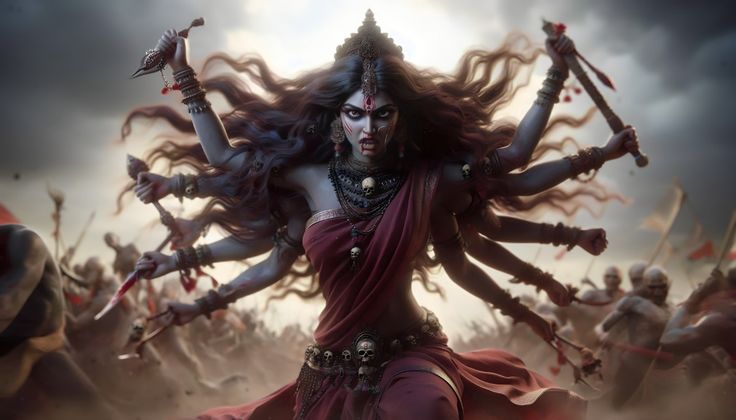
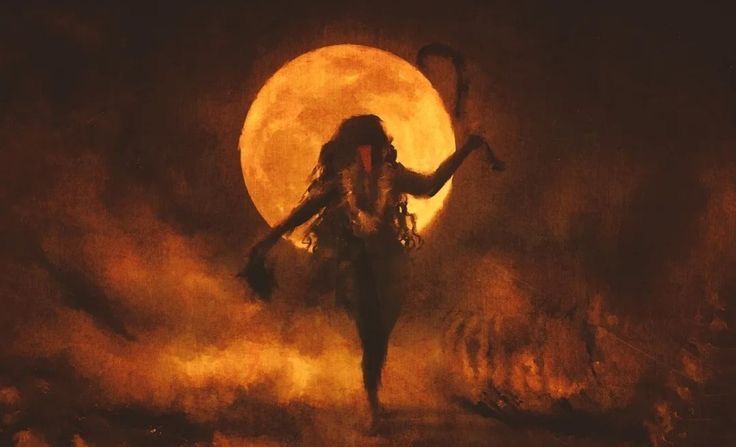
Mata is , also known as the Dark Goddess, is revered as the seventh form of Goddess Durga. She is depicted as a fierce warrior adorned in black, representing the annihilator of darkness and ignorance. Her name “Kaalratri” translates to “the one who is the night of time,” signifying her role as the harbinger of time and change.
Kaalratri Maa is often depicted riding a donkey, wielding a sword and a noose, representing her relentless pursuit of truth and justice. She is the embodiment of divine femininity, representing the primal energy that governs the universe.
Kaalratri Maa is worshipped during the auspicious festival of Navratri, where devotees seek her blessings for courage, strength, and protection against hostile forces. Her divine presence is believed to dispel fear and instil inner peace and peace in the hearts of her devotees.
The Mythological Significance
In Hindu mythology, Maa is revered for her role in vanquishing demons and restoring cosmic order. Legend has it that she annihilated the demon Raktabija, whose blood had the power to regenerate into countless demons. With her fierce determination and unwavering resolve, mata emerged victorious, ensuring the triumph of good over evil.
Embracing Divine Energy
Devotion to Kaalratri Maa transcends mere ritualistic practices; it is a profound spiritual journey that connects the devotee with the primal energy of the universe. By invoking her blessings, one can attain inner strength, wisdom, and spiritual awakening. Embracing the divine energy of mata empowers individuals to overcome obstacles, conquer fears, and embark on the path of self-realization.
Invoking Blessings
To seek the blessings of mata Kaalratr, devotees engage in sacred rituals and prayers, offering flowers, incense, and sacred chants. Through sincere devotion and unwavering faith, devotees establish a deep spiritual connection with the Dark Goddess, inviting her divine presence into their lives.
Conclusion
In conclusion, the enigmatic persona of Kaalratri Maa transcends the realms of mythology, inspiring devotion and reverence among her devotees. As we unravel the mysteries surrounding her divine energy, let us embrace her fierce yet compassionate nature and seek her blessings on our spiritual journey.
FAQs (Frequently Asked Questions):
What is the significance of worshipping Kaalratri Maa during Navratri?
Worshipping mata during Navratri represents the triumph of good over evil and the victory of light over darkness. It is believed that her blessings bestow courage, strength, and protection upon her devotees during this auspicious festival.
How can one connect with the divine energy of Kaalratri Maa?
Connecting with the divine energy of mata requires sincere devotion, unwavering faith, and a pure heart. Through prayers, rituals, and meditation, devotees can establish a deep spiritual connection with the Dark Goddess, allowing her divine energy to permeate their being.
What are the attributes of Maa?
The mata is characterized by her fierce yet compassionate nature. She is depicted as a warrior goddess, wielding a sword and a noose, signifying her role as the harbinger of justice and divine retribution. Her black attire symbolizes the transcendence of darkness and ignorance, leading her devotees from darkness to light.
How does i Maa empower her devotees?
The mata empowers her devotees by bestowing courage, strength, and protection upon them. Through her divine blessings, devotees can overcome obstacles, conquer fears, and attain spiritual enlightenment. Her fierce yet compassionate nature inspires devotees to face life’s challenges with resilience and fortitude.
What is the significance of Maa’s depiction of riding a donkey?
Kaalratri Maa’s depiction of riding a donkey symbolizes her role as the harbinger of time and change. The donkey represents humility and steadfastness, qualities essential for spiritual evolution. By riding a donkey, Maa signifies her ability to navigate the cycles of time and guide her devotees towards enlightenment.
How can one invoke the blessings of Kaalratri Maa in daily life?
To invoke the blessings of i Maa in daily life, one can recite her sacred mantras, such as the “Kaalratri Stotram,” and engage in acts of charity and selflessness. By cultivating a spirit of devotion and surrender, devotees can invite the divine presence of Maa into their hearts and homes.