Discover Can We Perform Kaal Sarp Dosh Puja in Navratri is auspicious, along with detailed insights into the significance, rituals, and FAQs surrounding this sacred practice.
In the realm of Hindu spirituality, rituals hold profound significance. Can We Perform Kaal Sarp Dosh Puja in Navratri is one such ritual, believed to alleviate the malefic effects of the Kaal Sarp Dosh, a planetary alignment in Vedic astrology. But can this puja be conducted during Navratri, the nine sacred nights dedicated to the worship of the divine feminine? Let’s delve into this question and explore the nuances of Kaal Sarp Dosh Puja during Navratri.
Define the Ritual: Kaal Sarp Dosh Puja
Can We Perform Kaal Sarp Dosh Puja in Navratri is a Hindu ritual performed to mitigate the adverse effects of the Kaal Sarp Yoga, a planetary configuration where all planets are hemmed between Rahu and Ketu, the lunar nodes.
Significance of Navratri
Navratri, meaning ‘nine nights’, is a Hindu festival celebrated with fervour across India. It symbolizes the triumph of good over evil and honours the various forms of Goddess Durga.
While it may not be possible to prevent the formation of Kaal Sarp Dosh, leading a virtuous life and adhering to spiritual practices can help mitigate its effects.
Conclusion:
In conclusion, while there is no definitive answer to Can we perform Kaal Sarp Dosh Puja in Navratri, consulting with knowledgeable astrologers and adhering to one’s faith and beliefs can guide individuals in making informed decisions regarding this sacred ritual.
Kaal Sarp Dosh Puja is a ritual performed to mitigate the negative effects of Kaal Sarp Dosh, an astrological condition where all planets are positioned between Rahu and Ketu.
Preparations include arranging specific items for the puja, such as flowers, milk, ghee, honey, fruits, and offerings for the deities. Consulting a priest for the exact list is recommended.
Explore effective remedies for Kaal Sarp Dosh, including astrological rituals, gemstone therapies, and spiritual practices to mitigate its malefic effects and lead a harmonious life.
In Hindu astrology, Remedies for Kaal Sarp Dosh is considered a malefic astrological combination where all the planets come between Rahu and Ketu. It is believed to bring various challenges and obstacles in one’s life. Understanding the remedies for Kaal Sarp Dosh can help individuals mitigate its effects and lead a more harmonious life.
Define the Health Topic
Kaal Sarp Dosh is a term derived from Sanskrit, where “Kaal” means time, and “Sarp” means snake. In astrological terms, it signifies a situation where all the planets in one’s birth chart are placed between the shadow planets Rahu and Ketu.
Explain its Relevance and Importance
In Vedic astrology, Kaal Sarp Dosh is considered a significant astrological phenomenon believed to bring misfortunes, delays, and obstacles in various aspects of life, including career, relationships, and health. It is essential to understand its implications and seek appropriate remedies for a smoother life journey.
Anant Kaal Sarp Dosh: This type occurs when Rahu is positioned in the first house and Ketu in the seventh house.
Kulik Kaal Sarp Dosh: In this type, Rahu occupies the second house and Ketu the eighth house.
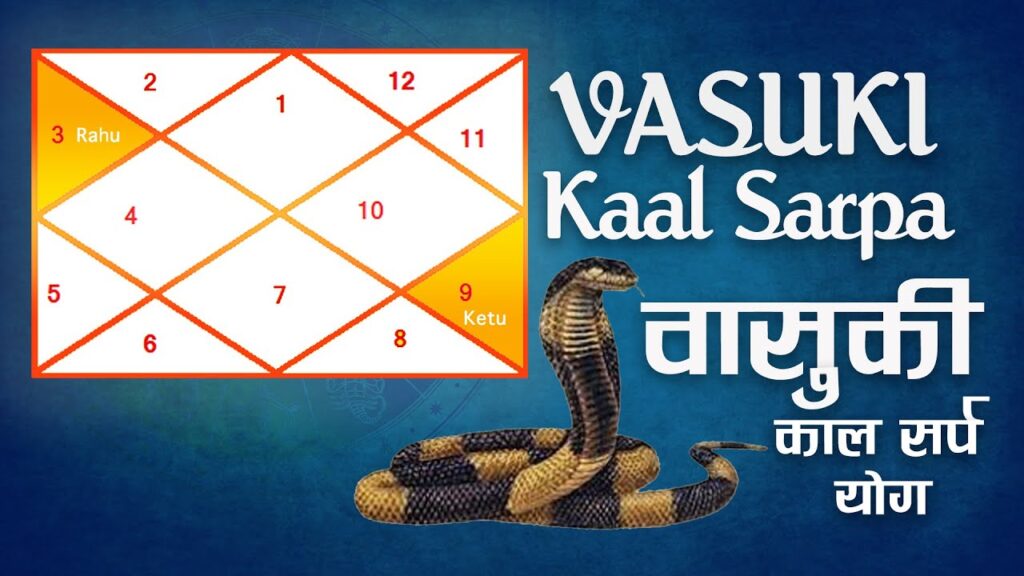
Vasuki Kaal Sarp Dosh: When Rahu is in the third house and Ketu in the ninth house, it leads to Vasuki Kaal Sarp Dosh.
Shankhapal Kaal Sarp Dosh: This type occurs when Rahu occupies the fourth house and Ketu the tenth house.
Padam Kaal Sarp Dosh: When Rahu is in the fifth house and Ketu in the eleventh house, it results in Padam Kaal Sarp Dosh.
Mahapadam Kaal Sarp Dosh: In this type, Rahu occupies the sixth house and Ketu the twelfth house.
Takshak Kaal Sarp Dosh: When Rahu is in the seventh house and Ketu in the first house, it leads to Takshak Kaal Sarp Dosh.
Karkotak Kaal Sarp Dosh: This type occurs when Rahu occupies the eighth house and Ketu the second house.
Shankachood Kaal Sarp Dosh: When Rahu is in the ninth house and Ketu in the third house, it results in Shankachood Kaal Sarp Dosh.
Ghatak Kaal Sarp Dosh: In this type, Rahu occupies the tenth house and Ketu the fourth house.
Vishdhar Kaal Sarp Dosh: When Rahu is in the eleventh house and Ketu in the fifth house, it leads to Vishdhar Kaal Sarp Dosh.
Sheshnag Kaal Sarp Dosh: This type occurs when Rahu occupies the twelfth house and Ketu the sixth house.
Symptoms and Signs
Persistent health issues without any apparent cause
Delays or obstacles in career growth
Strained relationships and lack of harmony in family life
Financial troubles despite efforts
Anxiety, depression, and mental unrest
Recurrent nightmares or disturbed sleep patterns
Causes and Risk Factors
The primary cause of and remedies for Kaal Sarp Dosh is the specific alignment of planets in one’s birth chart, where all the planets are hemmed between Rahu and Ketu. It is believed to occur due to past karmic deeds and may manifest in this lifetime to teach lessons and facilitate spiritual growth.
Diagnosis and Tests
Diagnosing Kaal Sarp Dosh involves consulting a qualified astrologer who analyzes one’s birth chart to identify the position of Rahu and Ketu in relation to other planets. Various astrological techniques and calculations are used to determine the presence and severity of Kaal Sarp Dosh and also the remedies for Kaal Sarp dosh.
Treatment Options
Astrological Remedies
Kaal Sarp Dosh Nivaran Puja: Performing rituals and prayers dedicated to appeasing the malefic effects of Kaal Sarp Dosh.
Wearing Gemstones: Wearing specific gemstones like cat’s eye or gomedh to strengthen benefic planets and mitigate the negative effects of Rahu and Ketu.
Charity and Donations: Making charitable contributions and donations to appease planetary influences and gain positive karma.
Meditation and Yoga: Engaging in meditation and yoga practices to calm the mind, reduce stress, and enhance spiritual awareness.
Mantra Chanting: Reciting specific mantras dedicated to Rahu and Ketu to pacify their malefic effects and bring peace and harmony.
Lifestyle Adjustments
Healthy Living: Adopting a healthy lifestyle comprising a balanced diet, regular exercise, and adequate rest to maintain physical and mental well-being.
Positive Thinking: Cultivating a positive mindset and focusing on gratitude and optimism to attract positive energies and overcome challenges.
Regular Astrological Consultations: Consult an astrologer periodically to assess one’s birth chart and take preventive measures to mitigate the effects of malefic planets.
Wearing Protective Gemstones: Wearing appropriate gemstones as per astrological recommendations to ward off negative energies and promote positivity.
Spiritual Practices
Daily Prayers and Offerings: Establishing a daily ritual of prayers and offerings to seek divine blessings and protection from malefic influences.
Regular Meditation: Incorporating regular meditation sessions into daily routine to maintain mental clarity and spiritual balance.
Conclusion:
Understanding and addressing the remedies for Kaal Sarp Dosh requires a holistic approach involving astrological remedies, spiritual practices, and lifestyle adjustments. By implementing preventive measures and seeking guidance from experienced astrologers, individuals can navigate through the challenges posed by Kaal Sarp Dosh and lead a more fulfilling life.
Kaal Sarp Dosh is an astrological condition where all planets in a horoscope are positioned between Rahu and Ketu, often causing obstacles and challenges in life.
Yes, there are various remedies to mitigate the effects of Kaal Sarp Dosh, including pujas, mantras, wearing gemstones, observing fasts, and making donations.
Discover the significance of Vasuki Kaal Sarp Dosh, its symptoms, causes, diagnosis, treatment options, and preventive measures. Learn from expert insights and real-life stories.
Vasuki Kaal Sarp Dosh is a significant astrological condition in Vedic astrology that can have profound effects on an individual’s life. Named after the mythological serpent Vasuki, this dosh (fault) occurs when all planets are hemmed between Rahu (the serpent’s head) and Ketu (the serpent’s tail) in an individual’s horoscope. This article explores the intricacies of Vasuki Kaal Sarp Dosh, its implications, and ways to manage its effects.
Understanding Vasuki Kaal Sarp Dosh
Definition and Meaning
The Dosh is a specific type of Kaal Sarp Dosh where the serpent Rahu is placed in the third house and Ketu in the ninth house of a horoscope, with all other planets positioned between them. This alignment is believed to create obstacles and challenges in various aspects of life, including health, career, relationships, and mental peace.
Historical Context and Mythology
The term “Vasuki” comes from Hindu mythology, where Vasuki is the king of serpents, known for his role in the churning of the ocean (Samudra Manthan). The Dosh symbolizes the struggles and adversities associated with the mythical serpent’s energy, reflecting the lives of those affected by this astrological condition.
Astrological Significance
In Vedic astrology, Kaal Sarp Dosh is considered a potent dosh that can overshadow the positive effects of other favourable planetary positions. The presence of The Dosh indicates that the native may experience frequent hurdles, delays, and a sense of being trapped in adverse situations, often needing strong remedies to mitigate these effects.
The psychological impact of the Dosh can be profound. It often leads to:
Chronic stress and depression.
Difficulty in making decisions and setting goals.
Lack of confidence and self-esteem.
Constant worry about the future.
Physical Manifestations
Physical symptoms are not uncommon and can manifest as:
Unexplained health issues.
Frequent illnesses and weakened immunity.
Sleep disorders such as insomnia or disturbed sleep.
Chronic fatigue and lethargy.
Conclusion:
Vasuki Kaal Sarp Dosh is a significant astrological condition with profound implications on an individual’s life. Understanding its symptoms, causes, and remedies is crucial for managing its effects. Readers are encouraged to seek professional astrological guidance and explore spiritual practices to mitigate the impact of The Dosh. Continuous learning and proactive measures can lead to a balanced and fulfilling life.
Explore Why is Maha Mrityunjaya Jaap Done. Learn about its spiritual, mental, and physical benefits, and how this ancient chant can transform your life.
Maha Mrityunjaya Jaap, often revered as the “Great Death-Conquering Mantra,” is one of the most powerful and sacred chants in Hinduism. Rooted deeply in Vedic traditions, this mantra is a prayer for healing, protection, and spiritual enlightenment. In today’s fast-paced and stressful world, the practice of Maha Mrityunjaya Jaap has gained renewed relevance, offering a path to peace, health, and spiritual growth. So, it is essential to know why maha mrityunjaya jaap is done.
Historical Context
Origins of the Maha Mrityunjaya Mantra
The Maha Mrityunjaya Mantra is believed to have originated from the Rigveda, one of the oldest and most revered texts in Hinduism. It is attributed to the sage Markandeya, who is said to have received the mantra directly from Lord Shiva. The mantra’s profound significance is highlighted in various Puranas and Upanishads, marking it as a powerful tool for overcoming fear and death.
Mythological Significance
In Hindu mythology, the Maha Mrityunjaya Mantra is associated with the legend of Rishi Markandeya, who was destined to die young. Through the power of this mantra and his devotion to Lord Shiva, Markandeya conquered death and attained immortality. This story underscores the mantra’s ability to transcend mortal limitations and connect the devotee with the divine.
References in Ancient Texts
The Maha Mrityunjaya Mantra is prominently featured in several ancient scriptures, including the Rigveda, Yajurveda, and Atharvaveda. Its recurring presence across these texts highlights its timeless significance and enduring power in Vedic rituals and spiritual practices.
Om: The primordial sound, representing the universe.
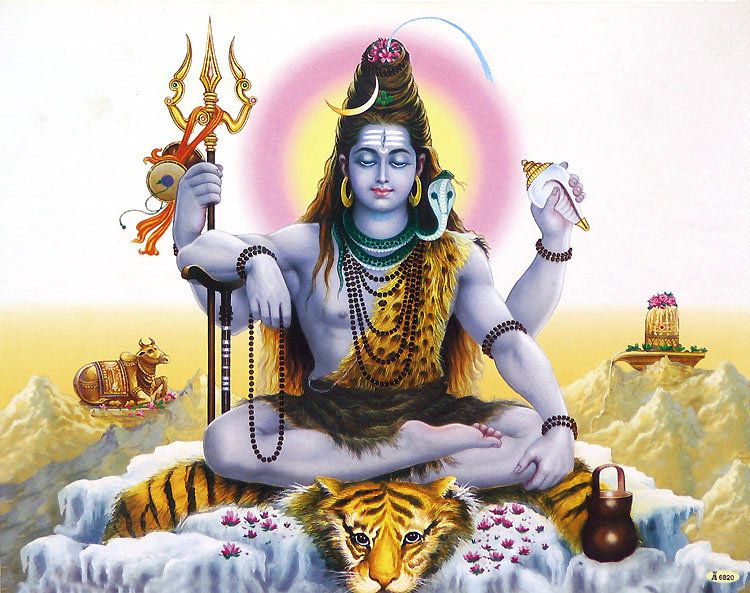
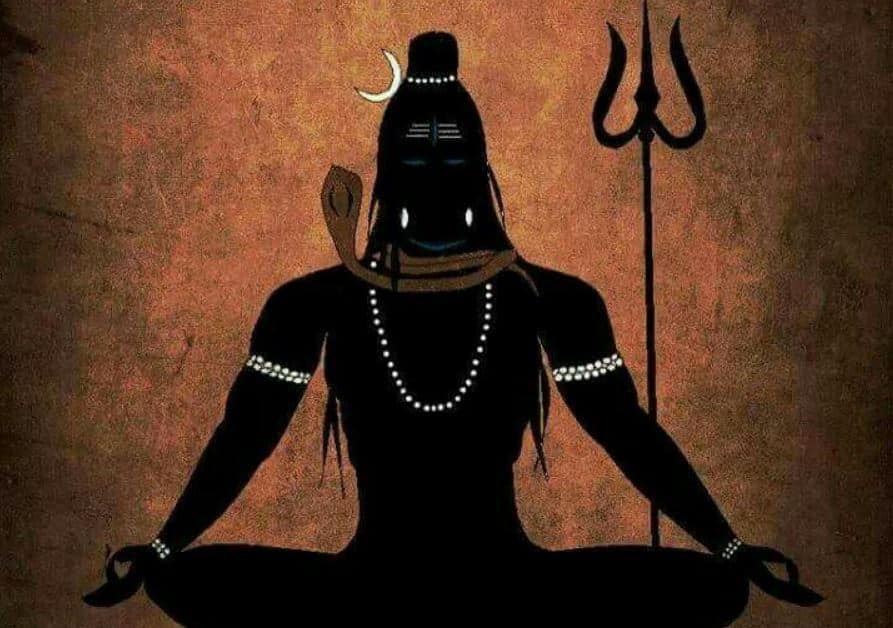
Tryambakam: Refers to Lord Shiva, the three-eyed one.
Yajamahe: We worship or honour.
Sugandhim: Fragrant, referring to the divine essence.
Pushtivardhanam: Bestower of nourishment and prosperity.
Urvarukamiva: Like a ripe cucumber (detached from bondage).
Bandhanan: From captivity.
Mrityor: From death.
Mukshiya: Liberate or free.
Maamritat: For the sake of immortality.
Symbolic Significance
The mantra is a prayer to Lord Shiva, seeking liberation from the cycle of birth and death. The metaphor of a ripe cucumber detaching from its vine symbolizes the soul’s release from the physical body, attaining spiritual freedom and immortality. This powerful imagery underscores the mantra’s role in transcending worldly suffering and achieving divine union.
Spiritual Benefits
Connection with Divine Energy
Chanting the Maha Mrityunjaya Mantra fosters a deep connection with divine energy, aligning the practitioner with the cosmic forces of creation and destruction. This connection enhances spiritual awareness, fostering a sense of inner peace and divine protection.
Enhancement of Spiritual Growth
Regular practice of the mantra accelerates spiritual growth by purifying the mind and soul. It helps in removing negative energies, fostering positive vibrations, and deepening one’s meditation practice, ultimately leading to self-realisation and enlightenment.
Mental Benefits
Stress Relief and Mental Peace
The rhythmic chanting of the Maha Mrityunjaya Mantra induces a state of mental calm and relaxation. The soothing vibrations of the mantra alleviate stress, anxiety, and fear, promoting mental peace and emotional stability.
Improved Concentration and Focus
The focus required for mantra chanting enhances concentration and mental clarity. Practicing the mantra regularly can improve cognitive functions, aiding in better decision-making and problem-solving abilities.
Physical Benefits
Healing Properties
The Maha Mrityunjaya Mantra is renowned for its healing properties. The vibrations generated during chanting are believed to stimulate the body’s natural healing processes, aiding in the recovery from illnesses and promoting overall well-being.
Boosting Immune System
Scientific studies have shown that sound vibrations can have a positive impact on the immune system. Chanting the Maha Mrityunjaya Mantra strengthens the body’s defences against diseases, contributing to better health and longevity.
How to Perform Maha Mrityunjaya Jaap
Preparation for the Chant
Before beginning the chant, it is important to create a conducive environment. Choose a quiet and clean space, preferably a sacred area in your home. Light a candle or an incense stick to purify the atmosphere and set a peaceful ambience.
Ideal Times and Settings
The best times to chant the Maha Mrityunjaya Mantra are during the early morning (Brahma Muhurta) or in the evening. These times are considered spiritually significant and amplify the mantra’s effects. However, it can be chanted at any time of the day based on personal convenience.
Step-by-Step Guide
Sit Comfortably: Sit in a comfortable position with your back straight. You can sit on the floor or a chair, ensuring that your spine is aligned.
Close Your Eyes: Close your eyes and take a few deep breaths to centre yourself.
Focus on the Mantra: Begin chanting the mantra slowly and clearly, focusing on each word and its meaning.
Use a Mala: A mala (prayer beads) can keep track of the repetitions. One mala typically consists of 108 beads, corresponding to the recommended number of repetitions.
Maintain Steady Rhythm: Chant the mantra in a steady rhythm, allowing the sound vibrations to resonate through your body.
End with Gratitude: Conclude the chanting session with silence, expressing gratitude for the divine blessings received.
Types and Categories of Jaap
Different Methods (Mental, Verbal, Written)
Maha Mrityunjaya Jaap can be practised in various forms:
Mental Jaap: Silently repeating the mantra in the mind.
Verbal Jaap: Chanting the mantra aloud.
Written Jaap: Writing the mantra repeatedly on paper.
Each method has its unique benefits and can be chosen based on personal preference and spiritual goals.
Specific Occasions for Chanting
The mantra is especially powerful when chanted during significant life events, such as:
Health crises: To aid in healing and recovery.
Spiritual practices: To deepen meditation and spiritual awareness.
Festivals and holy days: To enhance the spiritual vibrations of the occasion.
Significance of Repetition
Importance of the Number 108
The number 108 is considered sacred in Hinduism and represents the wholeness of existence. Chanting the mantra 108 times is believed to align the practitioner with the cosmic rhythm and amplify the mantra’s benefits.
Variations in Repetitions
While 108 is the standard, the mantra can be repeated in multiples of 108 or any number that feels significant to the practitioner. Consistency and devotion are key to experiencing the full benefits of the practice.
Integrating the Mantra into Yoga Practice
Incorporating the Maha Mrityunjaya Mantra into yoga practice enhances the spiritual experience. Chanting the mantra before or after yoga sessions helps ground the mind and prepare the body for deeper practice.
Benefits Of Meditation
The mantra is a powerful meditation tool, helping to focus the mind and deepen the meditative state. Its vibrations cleanse the mind of distractions, facilitating a profound inner journey towards self-realisation.
Common Misconceptions
There are several misconceptions about why is maha mrityunjaya jaap done, such as the belief that it is only for the elderly or sick. In reality, this mantra is for everyone, regardless of age or health, and can be practised for overall well-being and spiritual growth.
Scientific Perspectives
Studies on the Effects of Chanting
Recent studies have explored the impact of chanting on the brain and body. Research indicates that repetitive chanting can induce a meditative state, reduce stress hormones, and enhance overall mental health.
Modern Science on Sound Vibrations
Sound vibrations are known to affect the body’s cells and tissues. The specific frequencies of the Maha Mrityunjaya Mantra are believed to resonate with the body’s energy centres, promoting healing and balance. This is one of the reasons why is maha mrityunjaya jaap done.
Testimonials and Personal Stories
Experiences of Practitioners
Many individuals have shared their transformative experiences with the Maha Mrityunjaya Mantra. From healing chronic illnesses to overcoming personal challenges, these testimonials highlight the mantra’s profound impact.
Case Studies
Documented case studies reveal the therapeutic benefits of the mantra. For instance, patients recovering from surgery have reported faster healing and reduced pain after regular chanting of the Maha Mrityunjaya Mantra. So, it is why is maha mrityunjaya jaap done.
Expert Insights
Quotes from Spiritual Leaders
Spiritual leaders and gurus emphasise the importance of the Maha Mrityunjaya Mantra in daily practice. Their insights provide valuable guidance on how to harness the mantra’s power for personal and spiritual growth.
Insights from Yoga and Meditation Experts
Source:
Experts in yoga and meditation recommend incorporating the mantra into regular practice for enhanced benefits. Their practical tips and techniques help practitioners maximise the mantra’s potential.
Conclusion:
Why is Maha Mrityunjaya Jaap Done a timeless spiritual thought that offers immense benefits for the mind, body, and soul? Its profound healing properties and its ability to foster spiritual growth make it a valuable practice for anyone seeking inner peace and divine connection. By integrating this sacred chant into daily life, practitioners can experience a transformation that transcends the ordinary, leading to a more harmonious and fulfilling existence.
Discover the transformative power of Maha Mrityunjaya Jaap, its significance, benefits, and how to practice this ancient Vedic chant for health, prosperity, and spiritual growth.
Maha Mrityunjaya Jaap is a revered mantra from the ancient Vedic tradition, known for its powerful healing and protective properties. Chanting this mantra is believed to invoke the blessings of Lord Shiva, the deity associated with destruction and transformation, to overcome fear, ailments, and obstacles.
Historical Context
Origins in Vedic Literature
The Maha Mrityunjaya Jaap originates from the Rigveda, one of the oldest known scriptures. It is also mentioned in the Yajurveda, highlighting its importance in Vedic rituals.
Mythological Significance
According to Hindu mythology, the mantra was revealed to the sage Markandeya by Lord Shiva himself. Markandeya used it to defeat death and extend his life, which is why the mantra is often associated with immortality.
Evolution Through Ages
Over centuries, the Maha Mrityunjaya Jaap has evolved from a Vedic chant to a daily practice for millions seeking peace, health, and spiritual growth.
Importance and Benefits
Spiritual Benefits
Chanting the Maha Mrityunjaya Jaap fosters a deep connection with the divine, leading to spiritual awakening and enlightenment.
Health Benefits
Regular practice of this mantra is said to alleviate physical ailments, enhance immunity, and promote overall well-being.
Psychological Benefits
The calming vibrations of the chant help reduce stress, anxiety, and depression, fostering mental clarity and emotional stability.
Protective Shield
The mantra is believed to create a protective aura around the chanter, safeguarding against negative energies and unforeseen dangers.
Understanding the Mantra
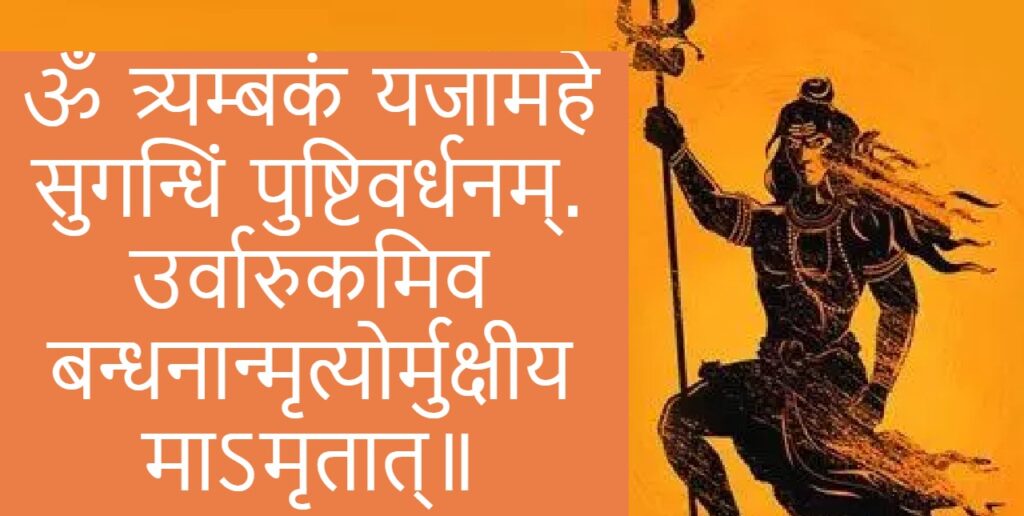
The Maha Mrityunjaya Mantra consists of the following Sanskrit verse:
“We meditate on the three-eyed one (Lord Shiva), who permeates and nourishes all like a fragrance. May he liberate us from the bondage of worldly attachments and grant us the nectar of immortality.”
How to Practice Maha Mrityunjaya Jaap
Preparing for the Chant: Find a quiet, clean space where you can sit comfortably. Light a lamp or incense to purify the environment.
Chanting Techniques: Begin with a calm mind, focusing on your breath. Chant the mantra slowly and clearly, either aloud or mentally. Aim to chant it 108 times for maximum benefit.
Ideal Times for Chanting: Dawn and dusk are considered the best times for chanting, but the mantra can be recited anytime, especially during moments of stress or illness.
Incorporating into Daily Routine: Set aside a specific time each day for your practice. Consistency is key to experiencing the full benefits of the mantra.
Common Misconceptions
Religious Exclusivity
While rooted in Hinduism, the Maha Mrityunjaya Jaap is universal in its appeal and can be practised by anyone seeking its benefits.
Immediate Results
Spiritual practices require patience and consistency. The effects of the mantra may not be immediate but will manifest over time with regular practice.
Chanting in Sanskrit Only
Though chanting in Sanskrit is ideal, the mantra can be recited in any language, as long as the devotion and intention are pure.
Many practitioners have reported miraculous recoveries from illnesses and life-threatening conditions through the consistent chanting of the Maha Mrityunjaya Jaap.
Spiritual Transformations
Individuals have experienced profound spiritual growth, inner peace, and heightened awareness by incorporating this mantra into their daily lives.
Expert Insights
Views from Spiritual Leaders
Prominent spiritual leaders like Sadhguru and Sri Sri Ravi Shankar advocate for the regular practice of the Maha Mrityunjaya Jaap to harness its transformative power.
Medical Perspectives
Holistic health practitioners recognise the therapeutic benefits of chanting, linking it to improved mental and physical health.
Conclusion:
The Maha Mrityunjaya Jaap is more than just a mantra; it is a powerful tool for healing, protection, and spiritual growth. By incorporating this ancient practice into your daily life, you can experience profound benefits that enhance your overall well-being and spiritual journey.